How to Choose the Right Belt Size?
Belts are not just a functional accessory; they can also enhance your overall look and style. However, choosing the right belt size can sometimes be a challenge. Too loose, and it won’t hold your pants up properly; too tight, and it can be uncomfortable or create an unsightly bulge. To help you find the perfect belt size, we have compiled some useful tips and guidelines below.
Measure Your Waist Size
The first step in choosing the right belt size is to measure your waist. Use a tape measure and wrap it around your waist at the point where you usually wear your belt. Make sure the tape measure is snug but not too tight. Take note of the measurement in inches or centimeters. This measurement will be your starting point for determining the appropriate belt size.
Consider the Belt Width
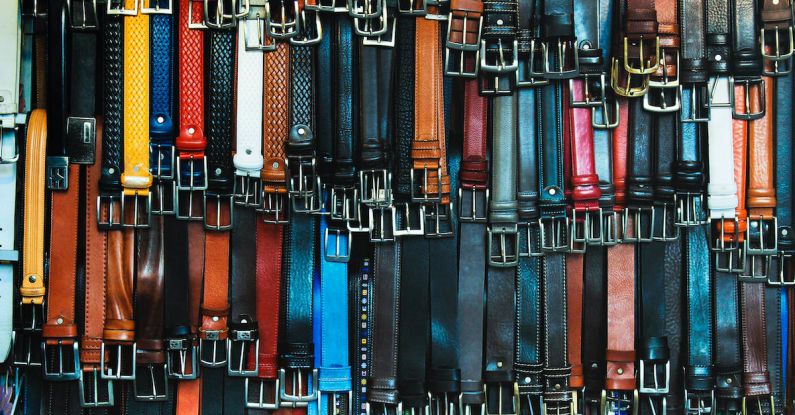
Belts come in various widths, and the width you choose should complement your body type and style. For example, if you have a smaller frame, opt for a narrower belt to avoid overwhelming your outfit. On the other hand, if you have a taller or broader build, a wider belt can provide a balanced look. Additionally, consider the belt loops on your pants; choose a belt width that fits comfortably through them without being too loose or too tight.
Account for Belt Sizing
When shopping for belts, you will often come across sizes such as small, medium, large, or numeric sizes like 32, 34, and so on. It is important to note that these sizes refer to the measurement from the belt buckle to the middle hole. To find your belt size using these measurements, subtract two inches or five centimeters from your waist measurement. For example, if your waist measures 34 inches, your belt size would be 32 inches.
Try It On
While measurements can provide a good starting point, trying a belt on is crucial to ensure the perfect fit. When trying on a belt, fasten it at the middle hole to give yourself some flexibility for weight fluctuations. Check that the belt fits snugly but comfortably around your waist without causing any discomfort or leaving too much slack. Remember, the ideal belt size should allow for one or two additional holes on either side of the middle hole for adjustments.
Consider Belt Materials and Styles
Different belt materials can affect the fit and sizing. Leather belts tend to stretch over time, so it is advisable to go for one size smaller than your waist measurement. On the other hand, fabric or elastic belts may offer more flexibility and adjustability. Additionally, factor in the style of the belt buckle. Some buckles can add extra length to the belt, so you may need to adjust your size accordingly.
Seek Professional Assistance
If you are unsure about measuring or determining your belt size, it can be helpful to seek professional assistance. Visit a local tailor or belt specialist who can provide accurate measurements and guide you in finding the right size and style for your needs.
In conclusion, choosing the right belt size is essential for both comfort and style. By measuring your waist, considering belt width, accounting for belt sizing, trying it on, and considering materials and styles, you can find the perfect belt size that enhances your outfit and ensures a comfortable fit. So, the next time you go belt shopping, use these tips to make the right choice.