Can Essential Oils Enhance Well-being?
When it comes to holistic wellness, more and more people are turning to essential oils as a natural remedy for various health concerns. These highly concentrated plant extracts have been used for centuries in traditional medicine practices, and their popularity has soared in recent years. But can essential oils really enhance well-being? Let’s explore the science behind these aromatic oils and their potential benefits.
Understanding Essential Oils
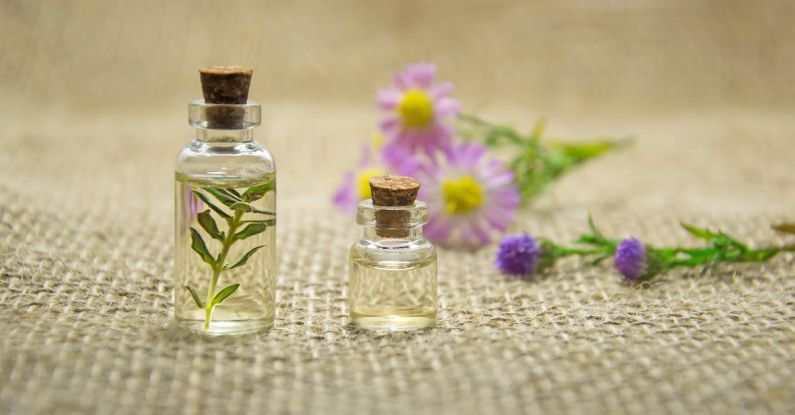
Essential oils are derived from plants through a process of distillation or cold pressing. They capture the plant’s fragrance and natural compounds, which are believed to have therapeutic properties. These oils are highly concentrated and should be used with caution, as they can be potent and may cause adverse reactions if not used properly.
Stress Relief and Relaxation
One of the most common uses of essential oils is for stress relief and relaxation. Certain oils, such as lavender and chamomile, have been shown to have calming effects on the nervous system. Aromatherapy using these oils has been found to reduce anxiety levels and promote better sleep. Whether diffused in the air, added to a bath, or applied topically with a carrier oil, using essential oils in a relaxation routine can help create a soothing atmosphere and promote a sense of well-being.
Boosting Mood and Mental Clarity
The power of scent should not be underestimated when it comes to our emotions. Essential oils like citrus oils, such as lemon and orange, are known for their uplifting properties. Inhaling these fragrances can increase serotonin levels, which are responsible for regulating mood. Additionally, oils like peppermint and rosemary have been shown to improve focus and mental clarity, making them useful for studying or working on complex tasks.
Pain Relief and Inflammation
Many essential oils possess anti-inflammatory and analgesic properties, making them valuable in managing pain and reducing inflammation. Oils such as eucalyptus and ginger can be applied topically to soothe sore muscles and joints. They can also be used in massage therapy to enhance the benefits of touch and promote relaxation. However, it is important to note that essential oils should never be applied directly to the skin, as they can cause irritation. They should always be diluted with a carrier oil before use.
Immune System Support
Certain essential oils have antimicrobial properties that can help support the immune system. Tea tree oil, for example, is known for its antiseptic properties and can be used as a natural remedy for minor cuts and scrapes. Eucalyptus oil is often used in inhalation therapy to relieve symptoms of respiratory conditions. While essential oils should not replace medical treatment, they can be a valuable addition to a healthy lifestyle.
Safety Considerations
While essential oils can offer many benefits, it is essential to use them safely. Some oils may cause allergic reactions or interact with medications. It is always advisable to consult with a healthcare professional before using essential oils, especially if you have any underlying health conditions or are pregnant. Additionally, essential oils should never be ingested unless under the guidance of a qualified aromatherapist or healthcare professional.
In Conclusion
Essential oils have gained popularity as a natural way to enhance well-being. Their potential benefits range from stress relief and mood enhancement to pain relief and immune system support. However, it is crucial to use essential oils safely and responsibly. As with any alternative therapy, it is always advisable to consult with a healthcare professional to ensure that essential oils are suitable for your individual needs. When used correctly, essential oils can be a valuable addition to a holistic wellness routine, promoting a sense of balance and harmony in both body and mind.