How Often Should You Replace Makeup Brushes?
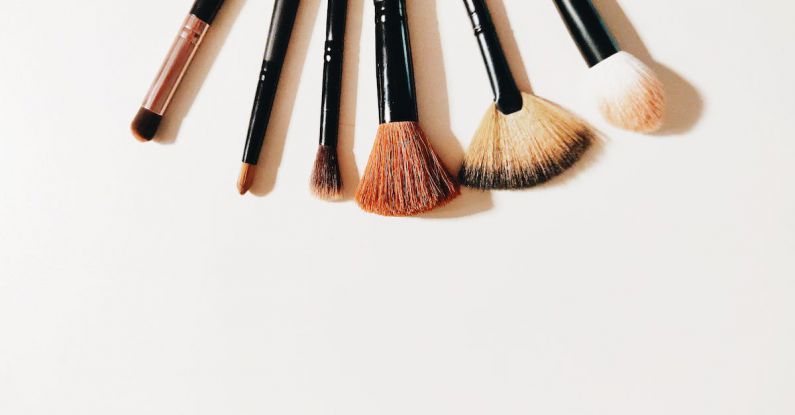
Makeup brushes are an essential tool for achieving a flawless and professional-looking makeup application. They come in various shapes and sizes, designed for different purposes such as applying foundation, eyeshadow, blush, and more. But just like any other tool, makeup brushes have a lifespan and need to be replaced regularly to ensure optimal performance and hygiene. In this article, we will explore how often you should replace your makeup brushes to maintain their quality and keep your skin healthy.
Understanding the Lifespan of Makeup Brushes
Before we delve into the frequency of replacing makeup brushes, it’s important to understand why they need to be replaced in the first place. Over time, makeup brushes accumulate product residue, oil, dirt, and bacteria from both the skin and the environment. These contaminants can lead to clogged pores, breakouts, and skin irritation if not properly cleaned or replaced.
Factors Affecting the Lifespan
The lifespan of makeup brushes can vary depending on several factors, including the quality of the brushes, frequency of use, and how well they are cared for. High-quality brushes made from synthetic or natural bristles tend to last longer than lower-quality ones. Additionally, brushes used daily or for heavy applications may wear out faster compared to those used sparingly or for light makeup looks.
Signs It’s Time to Replace Your Makeup Brushes
While there is no set timeframe for replacing makeup brushes, certain signs indicate that it’s time to retire them and invest in new ones. Here are some key signs to look out for:
1. Shedding: If your brushes are shedding bristles excessively, it’s a clear sign that they have reached the end of their lifespan. Shedding bristles can result in an uneven application and make it difficult to achieve the desired makeup look.
2. Frayed or Misshapen Bristles: Over time, the bristles of makeup brushes can become frayed or lose their shape. This can affect their performance and make it challenging to achieve precise and seamless makeup application.
3. Stiff or Scratchy Bristles: As makeup brushes age, the bristles can become stiff or scratchy, causing discomfort and irritation when used on the skin. This is particularly true for brushes made from natural bristles, which tend to become coarser over time.
4. Persistent Breakouts: If you notice an increase in breakouts or skin irritation after using your makeup brushes, it could be a sign that they are harboring bacteria or other contaminants. In such cases, it’s crucial to replace them to prevent further skin issues.
Proper Maintenance and Cleaning
While regular replacement is important, proper maintenance and cleaning can extend the lifespan of your makeup brushes. Here are some tips to keep in mind:
1. Clean your brushes regularly: Aim to clean your brushes at least once a week, especially those used with liquid or cream products. Use a mild brush cleanser or gentle shampoo to remove product buildup and bacteria.
2. Dry your brushes properly: After cleaning, make sure to reshape the bristles and lay the brushes flat to dry. Avoid standing them upright as water can seep into the ferrule, loosening the glue that holds the bristles together.
3. Store brushes properly: To prevent dust and bacteria buildup, store your brushes in a clean and dry container or brush roll. Avoid overcrowding them, as this can cause the bristles to lose their shape.
In conclusion, replacing your makeup brushes regularly is essential for maintaining their quality and ensuring healthy skin. While there is no fixed timeline, paying attention to signs such as shedding, frayed bristles, and skin irritation can help you determine when it’s time for new brushes. Additionally, proper cleaning and maintenance can extend the lifespan of your brushes and keep them in optimal condition. By following these guidelines, you can enjoy flawless makeup application and keep your skin happy and healthy.