How to Start Composting at Home?
Composting is a simple and effective way to reduce waste and create nutrient-rich soil for your garden. By recycling organic materials such as food scraps and yard waste, you can help reduce methane emissions from landfills and minimize the need for chemical fertilizers. Starting a composting system at home is easier than you might think. In this article, we will guide you through the process of getting started with composting.
Choosing the Right Location
The first step in starting your composting journey is to find the right location for your compost pile or bin. Ideally, you want to choose a spot that is easily accessible and receives a good amount of sunlight. This will help speed up the decomposition process. Avoid placing your compost pile too close to your home or any structures, as it may attract pests.
Gathering Composting Materials
To start composting, you will need a mix of “greens” and “browns.” Greens are nitrogen-rich materials such as fruit and vegetable scraps, coffee grounds, and grass clippings. Browns are carbon-rich materials like dried leaves, twigs, and shredded newspaper. Aim for a ratio of roughly three parts browns to one part greens to create the perfect balance of carbon and nitrogen.
Building Your Compost Pile
Once you have gathered your composting materials, it’s time to build your compost pile. Start by creating a layer of browns at the bottom, followed by a layer of greens. Continue layering until you have used up all your materials. Make sure to water each layer as you go to maintain the right moisture level. Your compost pile should be moist, but not soggy.
Maintaining Your Compost
To ensure a successful composting process, you will need to regularly turn your pile. This helps to aerate the compost and speed up decomposition. Use a pitchfork or shovel to mix the materials, making sure to bring the outer materials to the center. Turning your compost every few weeks will help maintain a consistent temperature and break down the materials more efficiently.
Troubleshooting Common Issues
Composting is a natural process, and sometimes you may encounter issues along the way. If your compost pile smells bad, it may be too wet or lack enough air circulation. Add more browns and turn the pile to improve airflow. If your compost is not breaking down, it may be due to an imbalance of greens and browns. Adjust the ratio and make sure your pile is properly moistened.
Using Your Finished Compost
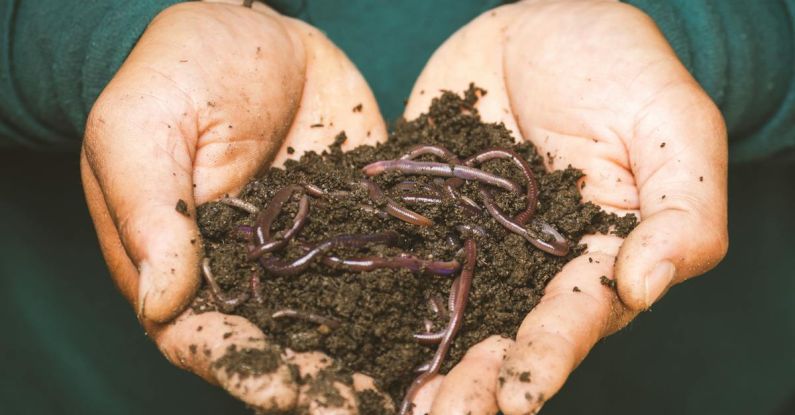
After a few months of composting, your materials will transform into nutrient-rich humus. It will be dark, crumbly, and have a pleasant earthy smell. This is a sign that your compost is ready to be used in your garden. Spread a thin layer of compost over your flower beds, vegetable gardens, or potted plants. It will enrich the soil, improve drainage, and provide essential nutrients for healthy plant growth.
Conclusion: Embrace Sustainable Gardening
Starting a composting system at home is a simple and rewarding way to reduce waste and create a sustainable garden. By following these steps, you can turn your kitchen scraps and yard waste into a valuable resource. Not only will you reduce your carbon footprint, but you will also enjoy the benefits of healthier, more vibrant plants. So, why wait? Start composting at home today and embrace the beauty of sustainable gardening.